
I humbly apologize for not having a new entry for the past couple of weeks. I’ve been focusing on my health. Sometimes we doctors can get so consumed with work that we don’t take time to tend to our health. I recently got a wake up call. The silent killer was knocking on my door. Yeah, hypertension, and it almost got in and took my life. Today, as we focus on hypertension, I will share with you the experience that has changed my outlook on my personal health.
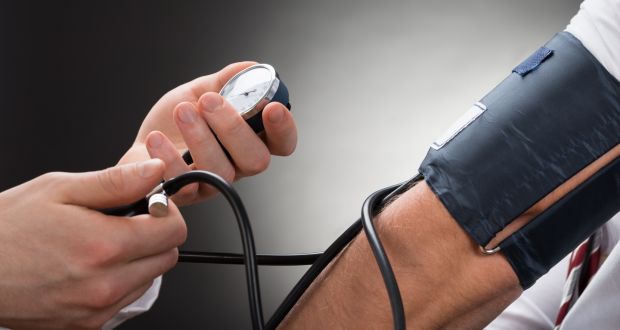
Two weeks ago I woke up carrying out my daily routine. I felt great. No headache, no blurred vision, no chest pain, no signs or symptoms to suggest that my blood pressure (BP) was elevated. As I was walking in the house, something inside me said “take your blood pressure”. Listening to that inner voice I took my BP. To my surprise it was 180/140. “This could not be right”, I thought. My sphygmomanometer (manual device used to take blood pressure) was brand new. I went to the nearby clinic and the doctor there took it and immediately told me that she is referring me to the hospital. I consulted with a colleague and he too urged me to go directly to the hospital.
When I arrived at the hospital, an EKG was done and medication was administered to lower my blood pressure. There I was still in shock and even though my pride didn’t allow me to show it, I was scared. How could this happen to me? I’m a doctor, I should be on top of these things! I realized that I was not on top of my health. Over the past couple of years I gained a lot of weight and I was not exercising. My excuse was always -“ I’m too busy”. Being too busy could have cost me my life. My grandmother always used to say, “No one ever killed work, work killed them.”
Since my emergency hypertensive crisis, I’ve been placed on medication and I have changed my diet and I am in the gym. Lost 5 lbs already! I was walking around with a dangerously high BP and I didn’t know. I was asymptomatic (had no signs or symptoms). This makes hypertension a silent killer . When was the last time you took your blood pressure? Or have you been diagnosed as being hypertensive and you are not taking your medication because you feel good. Or maybe you took your BP and it’s normal (120/80). It’s only normal because it was being controlled with your medication and when you stop taking your pills it will go right back up. I could have been dead but I got a chance now to change my lifestyle to a healthy one. Let’s all do the same. Let’s take a closer look at hypertension.
Let’s Meet the disease
High blood pressure is a common condition in which the long-term force of the blood against your artery walls is high enough that it may eventually cause health problems, such as heart disease.
Blood pressure is determined both by the amount of blood your heart pumps and the amount of resistance to blood flow in your arteries. The more blood your heart pumps and the narrower your arteries, the higher your blood pressure.
You can have high blood pressure (hypertension) for years without any symptoms. Even without symptoms, damage to blood vessels and your heart continues and can be detected. Uncontrolled high blood pressure increases your risk of serious health problems, including heart attack and stroke.
High blood pressure generally develops over many years, and it affects nearly everyone eventually. Fortunately, high blood pressure can be easily detected. And once you know you have high blood pressure, you can work with your doctor to control it.
How do I know if I have high blood pressure?
Most people with high blood pressure have no signs or symptoms, even if blood pressure readings reach dangerously high levels.
A few people with high blood pressure may have headaches, shortness of breath or nosebleeds, but these signs and symptoms aren’t specific and usually don’t occur until high blood pressure has reached a severe or life-threatening stage.
When should you see your doctor?
You’ll likely have your blood pressure taken as part of a routine doctor’s appointment.
Ask your doctor for a blood pressure reading at least every two years starting at age 18. If you’re age 40 or older, or you’re 18 to 39 with a high risk of high blood pressure, ask your doctor for a blood pressure reading every year.
Blood pressure generally should be checked in both arms to determine if there’s a difference. It’s important to use an appropriate-sized arm cuff.
Your doctor will likely recommend more frequent readings if you’ve already been diagnosed with high blood pressure or have other risk factors for cardiovascular disease. Children age 3 and older will usually have blood pressure measured as a part of their yearly checkups.
If you don’t regularly see your doctor, you may be able to get a free blood pressure screening at a health resource fair or other locations in your community-like the local clinics.
Risk factors
High blood pressure has many risk factors, including:
- Age. The risk of high blood pressure increases as you age. Until about age 64, high blood pressure is more common in men. Women are more likely to develop high blood pressure after age 65.
- Race. High blood pressure is particularly common among people of African heritage, often developing at an earlier age than it does in whites. Serious complications, such as stroke, heart attack and kidney failure, also are more common in people of African heritage.
- Family history. High blood pressure tends to run in families.
- Being overweight or obese. The more you weigh the more blood you need to supply oxygen and nutrients to your tissues. As the volume of blood circulated through your blood vessels increases, so does the pressure on your artery walls.
- Not being physically active. People who are inactive tend to have higher heart rates. The higher your heart rate, the harder your heart must work with each contraction and the stronger the force on your arteries. Lack of physical activity also increases the risk of being overweight.
- Using tobacco. Not only does smoking or chewing tobacco immediately raise your blood pressure temporarily, but the chemicals in tobacco can damage the lining of your artery walls. This can cause your arteries to narrow and increase your risk of heart disease. Secondhand smoke also can increase your heart disease risk.
- Too much salt (sodium) in your diet. Too much sodium in your diet can cause your body to retain fluid, which increases blood pressure.
- Too little potassium in your diet. Potassium helps balance the amount of sodium in your cells. If you don’t get enough potassium in your diet or retain enough potassium, you may accumulate too much sodium in your blood.
- Drinking too much alcohol. Over time, heavy drinking can damage your heart. Having more than one drink a day for women and more than two drinks a day for men may affect your blood pressure.If you drink alcohol, do so in moderation. For healthy adults, that means up to one drink a day for women and two drinks a day for men. One drink equals 12 ounces of beer, 5 ounces of wine or 1.5 ounces of 80-proof liquor.
- Stress. High levels of stress can lead to a temporary increase in blood pressure. If you try to relax by eating more, using tobacco or drinking alcohol, you may only increase problems with high blood pressure.
- Certain chronic conditions. Certain chronic conditions also may increase your risk of high blood pressure, such as kidney disease, diabetes and sleep apnea.
Sometimes pregnancy contributes to high blood pressure, as well.
Although high blood pressure is most common in adults, children may be at risk, too. For some children, high blood pressure is caused by problems with the kidneys or heart. But for a growing number of kids, poor lifestyle habits, such as an unhealthy diet, obesity and lack of exercise, contribute to high blood pressure.
Complications
The excessive pressure on your artery walls caused by high blood pressure can damage your blood vessels, as well as organs in your body. The higher your blood pressure and the longer it goes uncontrolled, the greater the damage.
Uncontrolled high blood pressure can lead to complications including:
- Heart attack or stroke. High blood pressure can cause hardening and thickening of the arteries (atherosclerosis), which can lead to a heart attack, stroke or other complications.
- Aneurysm. Increased blood pressure can cause your blood vessels to weaken and bulge, forming an aneurysm. If an aneurysm ruptures, it can be life-threatening.
- Heart failure. To pump blood against the higher pressure in your vessels, the heart has to work harder. This causes the walls of the heart’s pumping chamber to thicken (left ventricular hypertrophy). Eventually, the thickened muscle may have a hard time pumping enough blood to meet your body’s needs, which can lead to heart failure.
- Weakened and narrowed blood vessels in your kidneys. This can prevent these organs from functioning normally.
- Thickened, narrowed or torn blood vessels in the eyes. This can result in vision loss.
- Metabolic syndrome. This syndrome is a cluster of disorders of your body’s metabolism, including increased waist circumference; high triglycerides; low high-density lipoprotein (HDL) cholesterol, the “good” cholesterol; high blood pressure and high insulin levels. These conditions make you more likely to develop diabetes, heart disease and stroke.
- Trouble with memory or understanding. Uncontrolled high blood pressure may also affect your ability to think, remember and learn. Trouble with memory or understanding concepts is more common in people with high blood pressure.
- Dementia. Narrowed or blocked arteries can limit blood flow to the brain, leading to a certain type of dementia (vascular dementia). A stroke that interrupts blood flow to the brain also can cause vascular dementia.
Let’s not allow this non-communicable disease to creep around our lives. Get your BP checked regularly and if your doctor diagnoses you with hypertension. Change your lifestyle and live a long healthy life. Knowledge is power. Let’s have power over our health .
God Bless you all,
Dr. E
 DR. E
DR. E 